Recently, Business Insider Africa reported that South Africa and Nigeria are now in the world’s top 10 outsourcing destinations. While this shows Africa’s growth in global outsourcing, an industry previously dominated by Asia and East Europe, the continent is far from reaching its full potential. With the right policy framework, Africa could become the world’s largest outsourcing hub.
 Africa’s young population
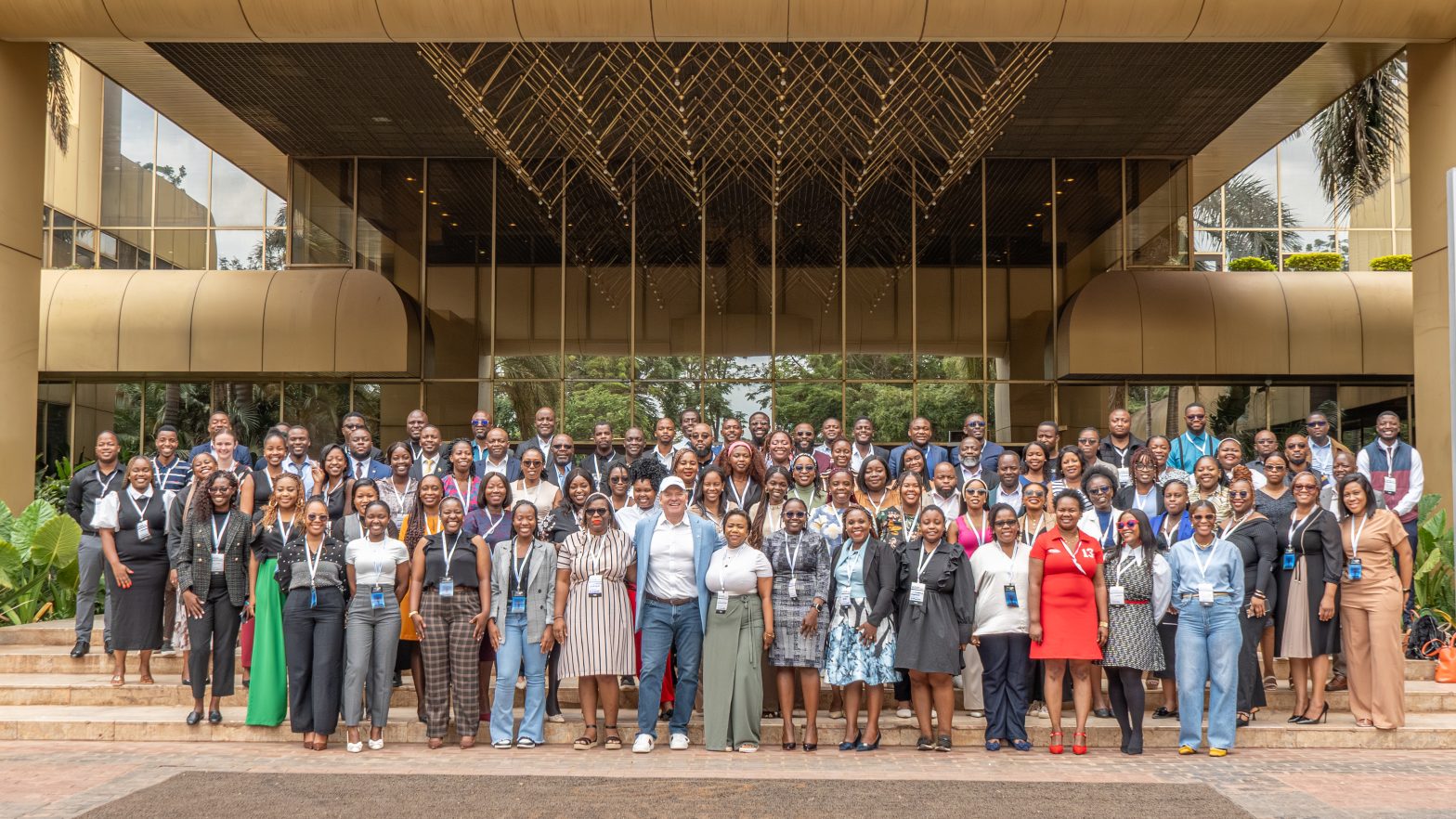
For starters, it has the world’s youngest population. 60% of Africa’s population is under the age of 25. According to projections, Africa will soon have the largest workforce in the world. Why is this important? At its core, outsourcing is about people. By virtue of offering more human resources than other continents, Africa stands a chance to dominate the outsourcing world through the sheer size of its workforce, provided enough is invested in training it.
In the past, having a huge workforce was disadvantageous for many African countries; their job markets couldn’t absorb local talent, leading to high unemployment. But now that there is a shift in how talent is accessed, with many companies hiring remote workers, Africa’s young population can become an asset, rather than a ticking time bomb.
 Remote team member
Furthermore, Africa has a language advantage. Almost every African country uses at least one language that is widely spoken globally. 24 African countries use English as an official language, 21 use French, 10 use Arabic, and 8 use Portuguese. These languages are used to conduct official business and for learning in schools, resulting in high levels of fluency among African nationals. This means that African nations can be outsourcing destinations for English, French, Arabic and Portuguese speaking nations, among others.
But Africa’s language advantage is not enough to make it the world’s largest outsourcing hub, nor is having a huge workforce. These advantages need to be combined with a robust policy framework.
Some African states are setting an example in this regard. The Zimbabwe Investment Development Authority (ZIDA) recently launched a business and process outsourcing (BKPO) initiative. It intends to designate buildings in Zimbabwe Special Economic Zones. Among other things, outsourcing companies that operate in such buildings are expected to benefit from duty-free importation of technical equipment.
 Joina City, one of the buildings that is going to be designated a Special Economic Zone
Uganda has a Business Process Outsourcing (BPO) policy that was launched in 2025. One of its aims is to equip Uganda’s workforce with globally competitive digital skills, which brings to the fore a very important observation – countries likely to succeed in global outsourcing are those that enhance local talent. Having a large workforce that lacks the requisite skills means nothing in the outsourcing world.
African nations need to mould talent pipelines in a way that supports their outsourcing industries. This includes making sure that universities, polytechnics, and TVET institutions teach skills that shape graduates for the outsourcing world. Even after graduation, local talent needs to be upskilled on a regular basis. New technologies that make talent more efficient are constantly being released, and local talent needs to keep up.
There is also a need to invest in local technological infrastructure. Today’s outsourcing takes place in a high-tech environment. Having good broadband speed, quality and reliability is an absolute must. In Africa, a good example of an outsourcing destination investing heavily in technology is Zambia, mostly through its Digital Zambia Acceleration Project (DZAP). Last year, Zambia received US$120 million from the World Bank to expand digital infrastructure.
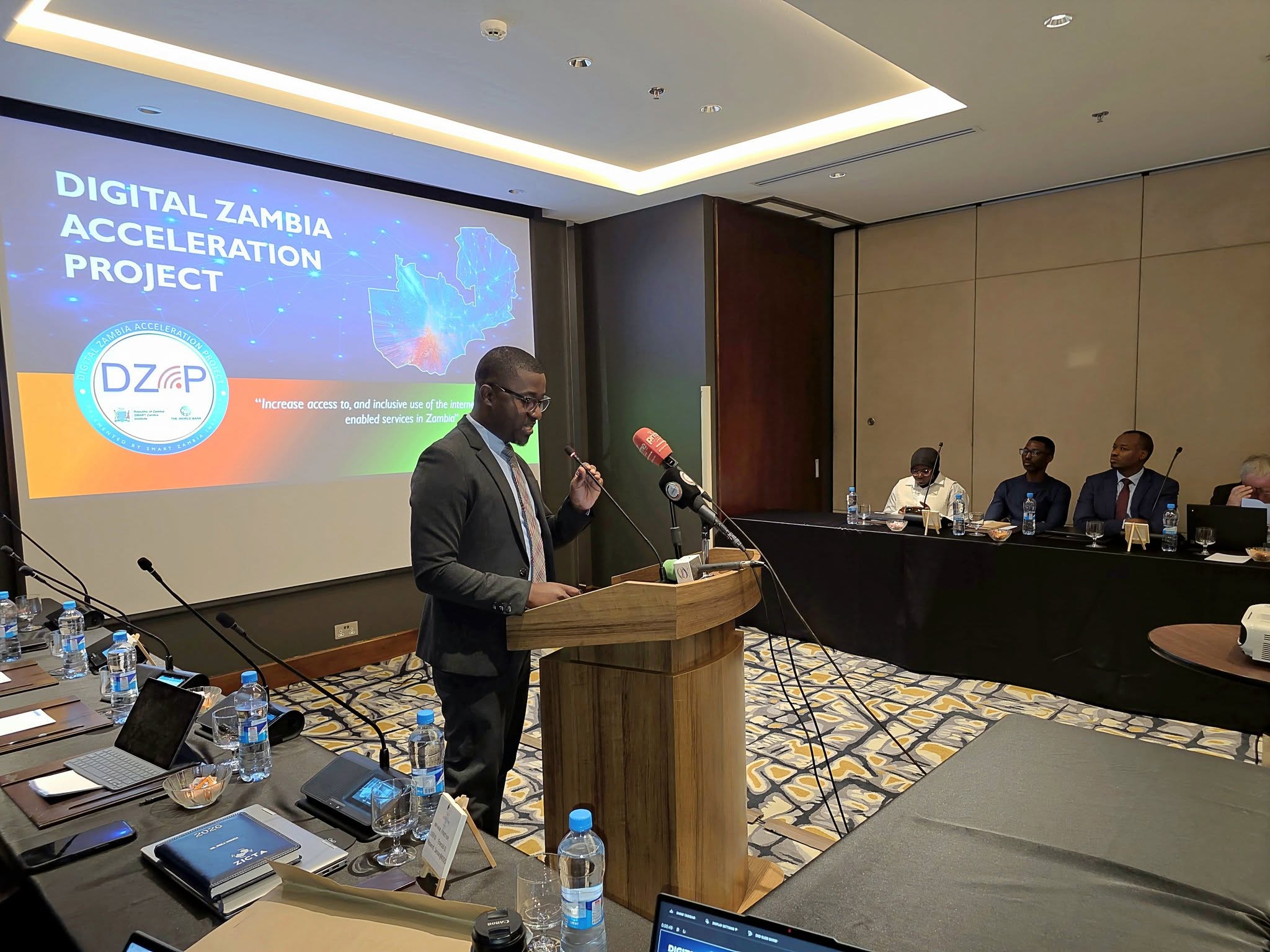 Early Market Engagement (EME) workshop for the Digital Zambia Acceleration Project (DZAP)
In addition to investing in technological infrastructure, African nations must invest in marketing. They are competing with legacy outsourcing destinations that have been dominating global outsourcing for years. In order for African nations to stand out, relevant government ministries need to actively promote their countries as suitable outsourcing destinations.
In the final analysis, it’s safe to say Africa’s potential to become the World’s biggest outsourcing hub can be realized, but only if there is a deliberate effort to put outsourcing at the centre of policy making and economic planning. To reap the benefits of outsourcing, African nations have to invest in talent pipelines, technological infrastructure and global marketing, as well as offer economic incentives for companies to “make the move”. When combined with Africa’s natural advantage, its youth and a large workforce that is multilingual, investing in outsourcing could yield massive economic results.
