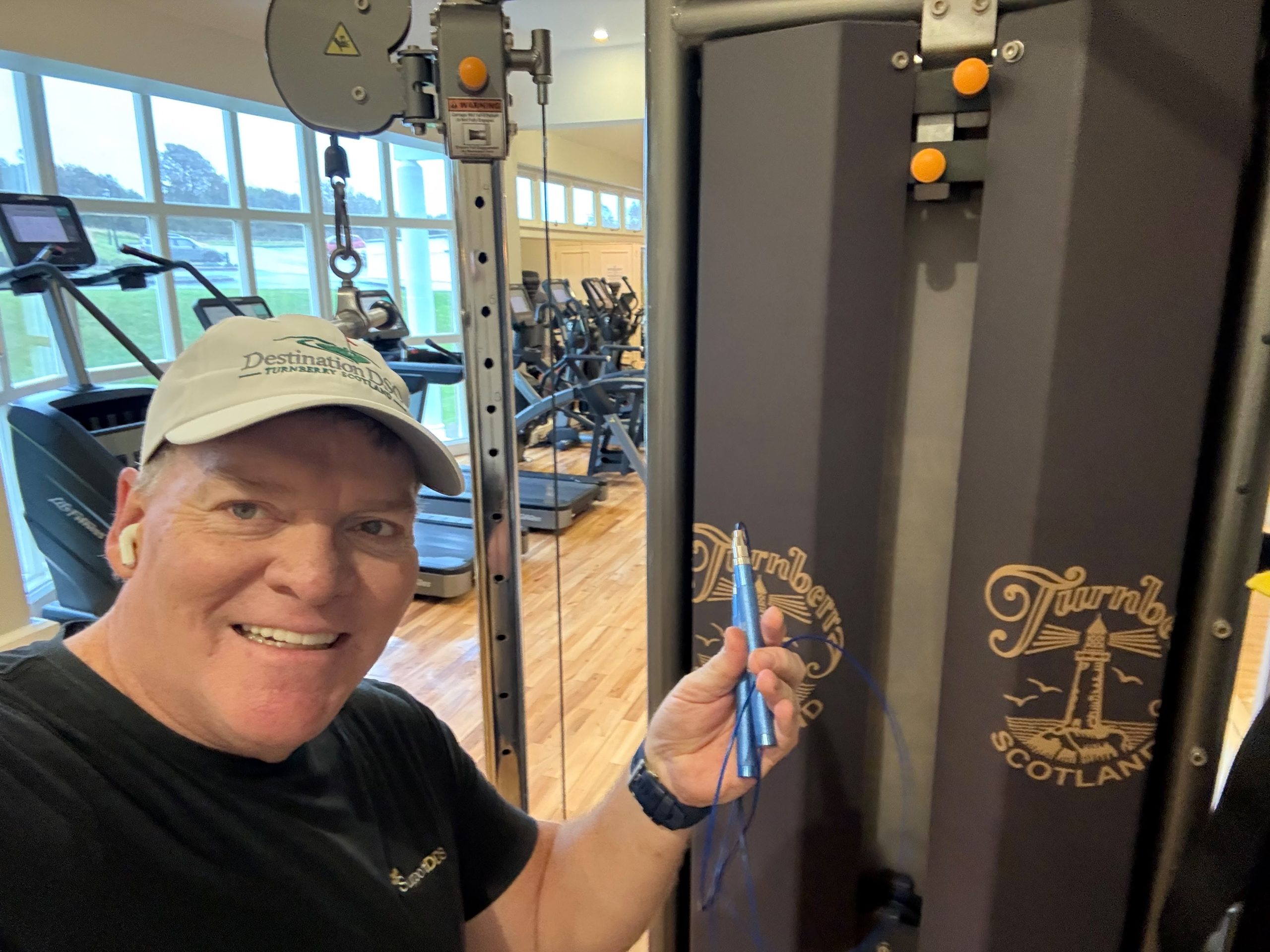
Recently, I was in New York City for three different meetings with high-performing leaders. I’m talking about executives from private equity groups, family wealth representatives, investors, stock brokers – you name it.
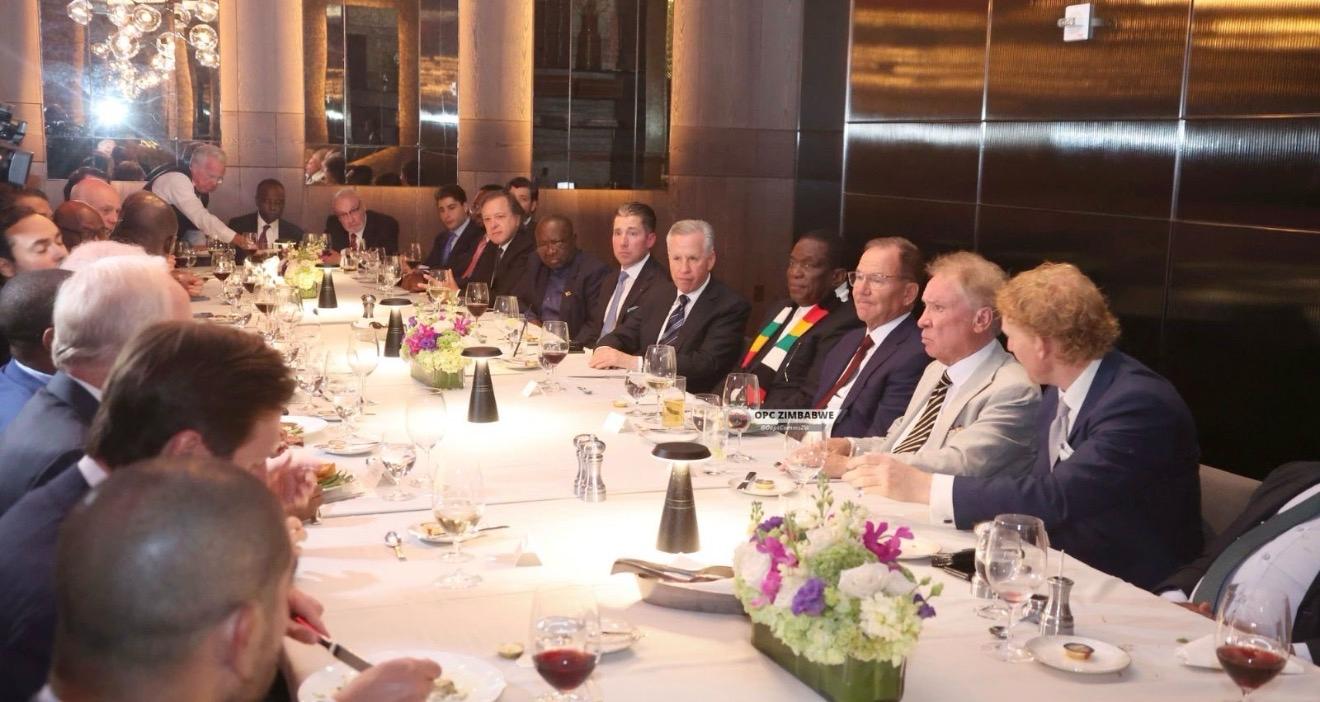 One of the meetings I attended
Does being fit make you a better leader? I don’t think the research proves that. But I’m increasingly convinced that many of the habits required to stay physically fit—discipline, consistency, doing hard things when you don’t feel like it, managing stress and showing up every day—are the same habits that make people better leaders.
What struck me was how physically fit the people in these rooms at least appeared to be. Three different meetings. Dozens of high-performing executives, investors and business leaders. And over and over, I noticed the same thing.
They seemed to take their physical health seriously.
That got me thinking. Coincidence? Or is there something about high performers that makes them more likely to prioritize fitness?
That’s exactly where my mind went. I said to myself, wait, all these people are high-performing leaders, and they look fit… is there a connection between physical fitness and being a high-performing leader?
I did some research. And you won’t believe what I found.
Some researchers believe there is definitely a connection. In an academic article titled “Fitness and leadership: Is there a link?”, the authors presented interesting research.
They collected data from more than 600 senior executives, comparing exercise habits with leadership assessments. Bosses, peers, and direct reports rated executives who exercised significantly higher on many leadership measures.
Simply put, executives who exercised were found to have better leadership qualities than those who didn’t. Maybe that’s why high performers in the meetings I attended stay fit: they know leadership requires more than telling people what to do, it requires the gym.
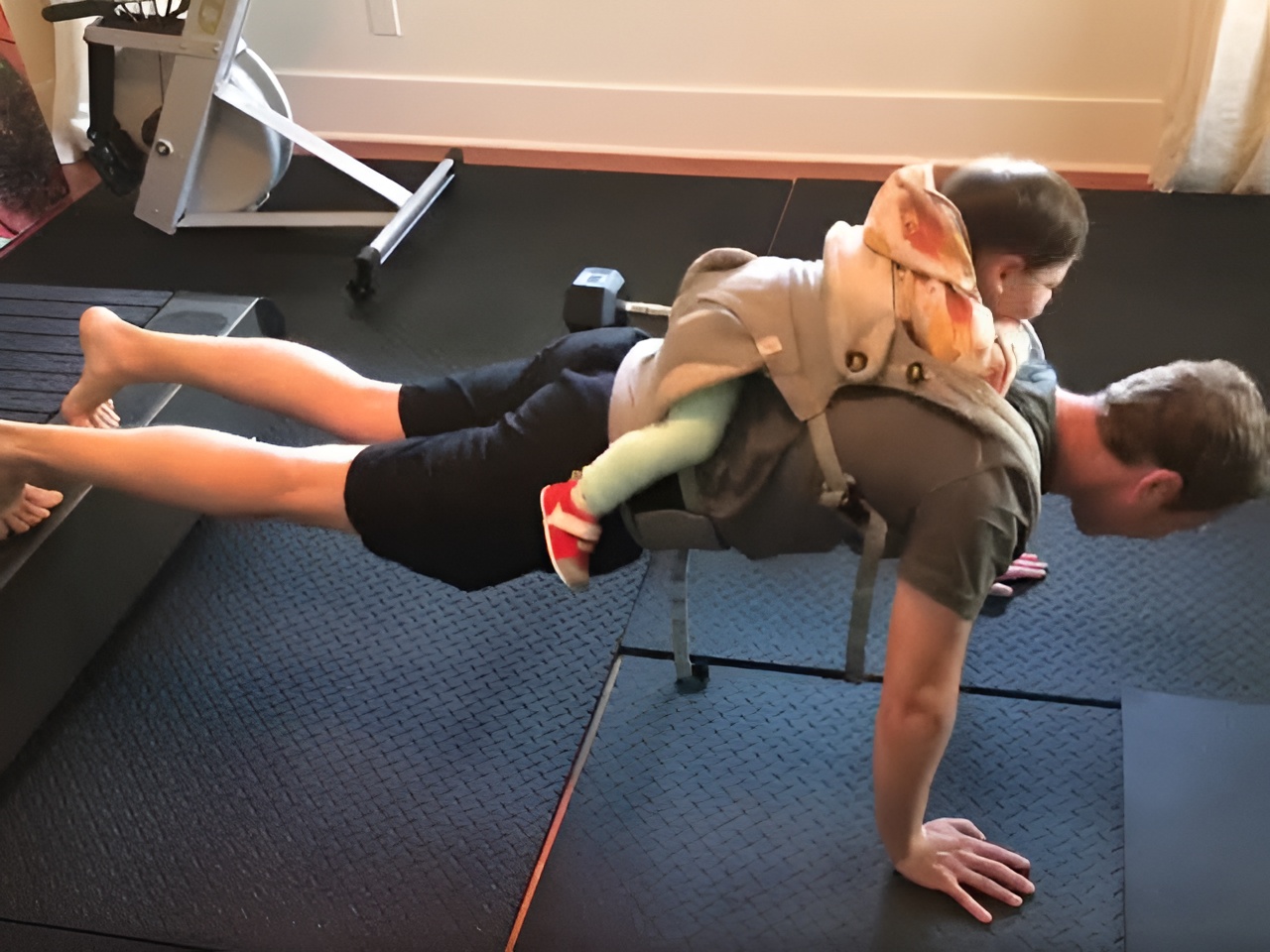 Meta CEO Mark Zuckerberg working out with daughter on his back
In another article titled “Fit to lead: Is fitness the key to effective executive leadership?”, the authors argue that fitness deserves attention in executive development because leadership places substantial demands on the body and mind.
They identify stamina, mental clarity, and coping with stress as ways exercise may support leadership effectiveness. Drawing on research and executive interviews, they show how even very busy leaders prioritize exercise, providing evidence that high-performing individuals place massive importance on physical fitness.
Ask yourself this: if the busy leader of a Fortune 500 company can find time to exercise, why can’t I be better? Why can some find time to watch ten episodes of a TV show, but can’t find the time to do ten push-ups?
Leadership takes energy.
Leadership takes stamina.
Leadership takes mental toughness.
And leadership takes discipline.
Funny thing is, so does staying fit.
Maybe that’s the connection.
I’m not suggesting you need six-pack abs to run a company. I am suggesting that taking care of your body may be one of the most overlooked investments you can make in your ability to lead.
Don’t have an hour? Take 20 minutes.
Can’t run five miles? Walk one.
Can’t do 100 push-ups? Do ten.
Just start.
Speaking of which, I’m headed to the gym.