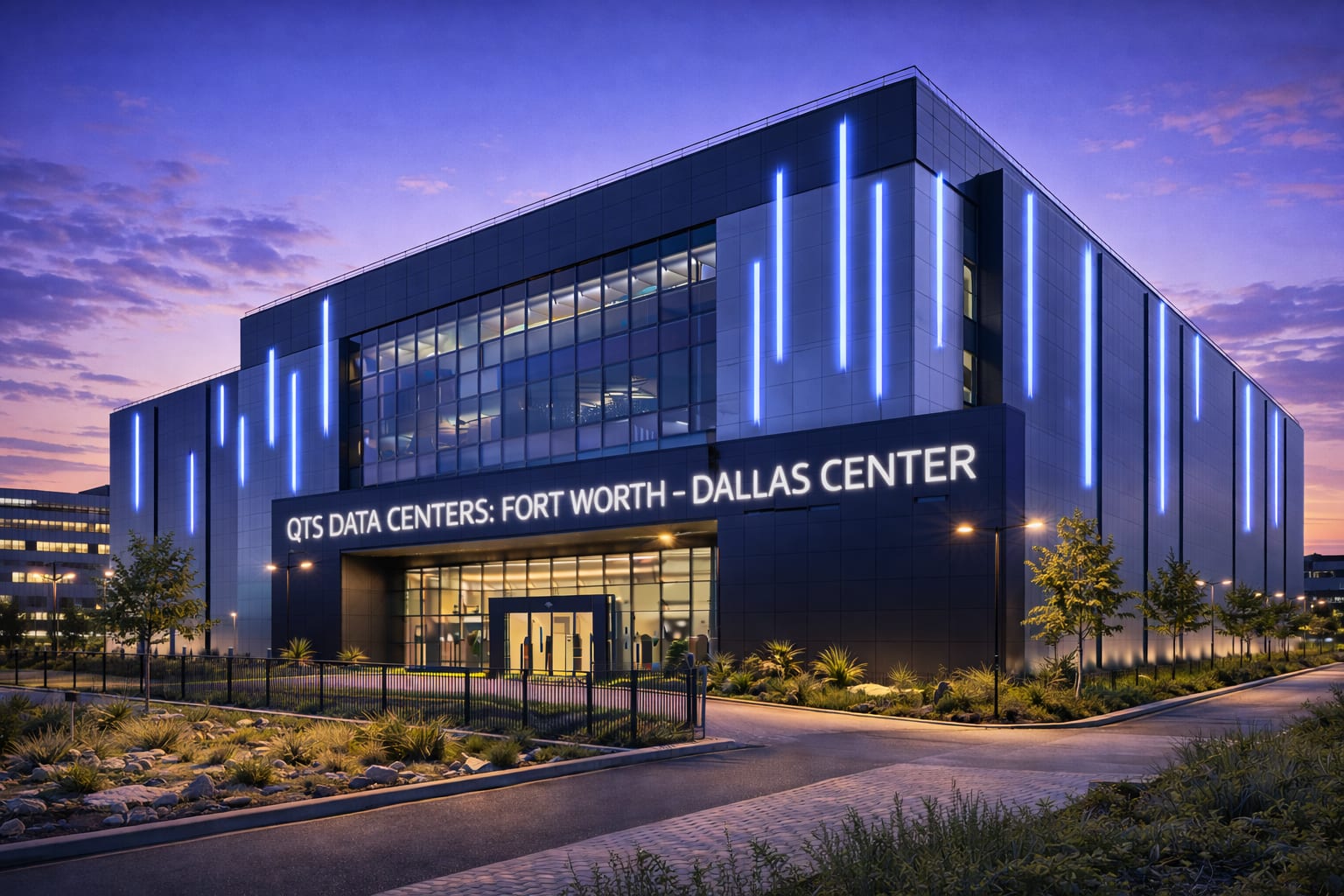
Something extraordinary is happening in Dallas-Fort Worth. There is large-scale construction of data centers that can reshape its economy. Before 2022, they were being constructed at a slow pace. Then the generative AI boom began, acting as a catalyst that dramatically increased demand for computing power.
This pushed hyperscalers (Amazon, Microsoft, Google and others) to build data centers at a fast pace, resulting in Dallas becoming the primary data center market worldwide, according to research by Cushman & Wakefield. Currently, it has 222 data centers and one gigawatt of total power (enough electricity to power hundreds of thousands of homes). But what does all this mean for DFW?
Microsoft, one of the hyperscalers
For locals, it presents a dilemma, forcing them to choose between preserving their way of life and the economic opportunities data centers can usher in. These facilities are noisy, put pressure on local water supply, and result in loss of open land. At the same time, they could bring in a lot of business.
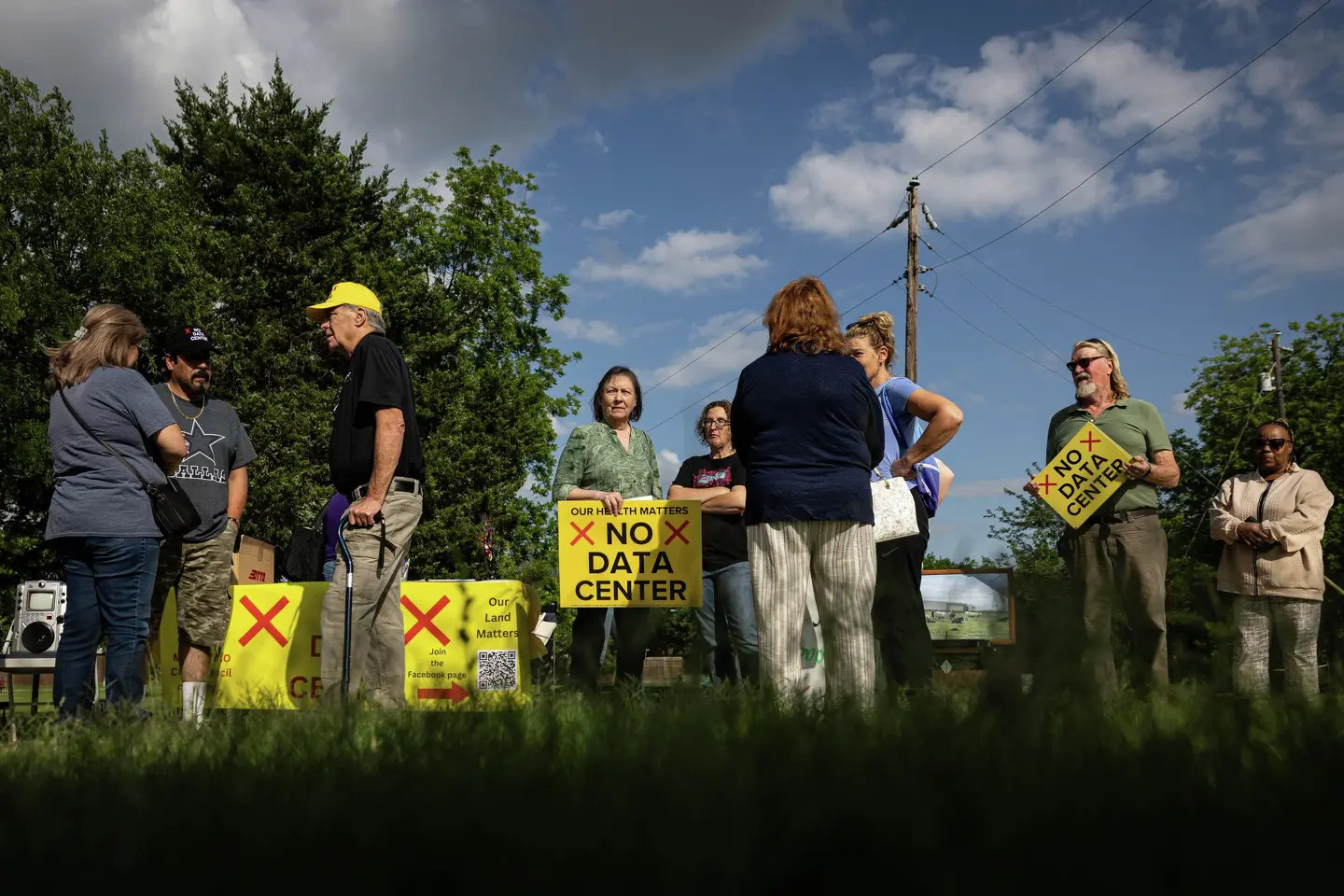
Dallas locals resisting data centers
There is a real possibility they will lay the foundation for an innovation hub, much as semiconductor factories laid the foundation for Silicon Valley. It’s difficult to envision now, but so was imagining that Silicon Valley would spring from the area south of San Francisco in 1940. Then, it was just a bunch of orchards and small towns.
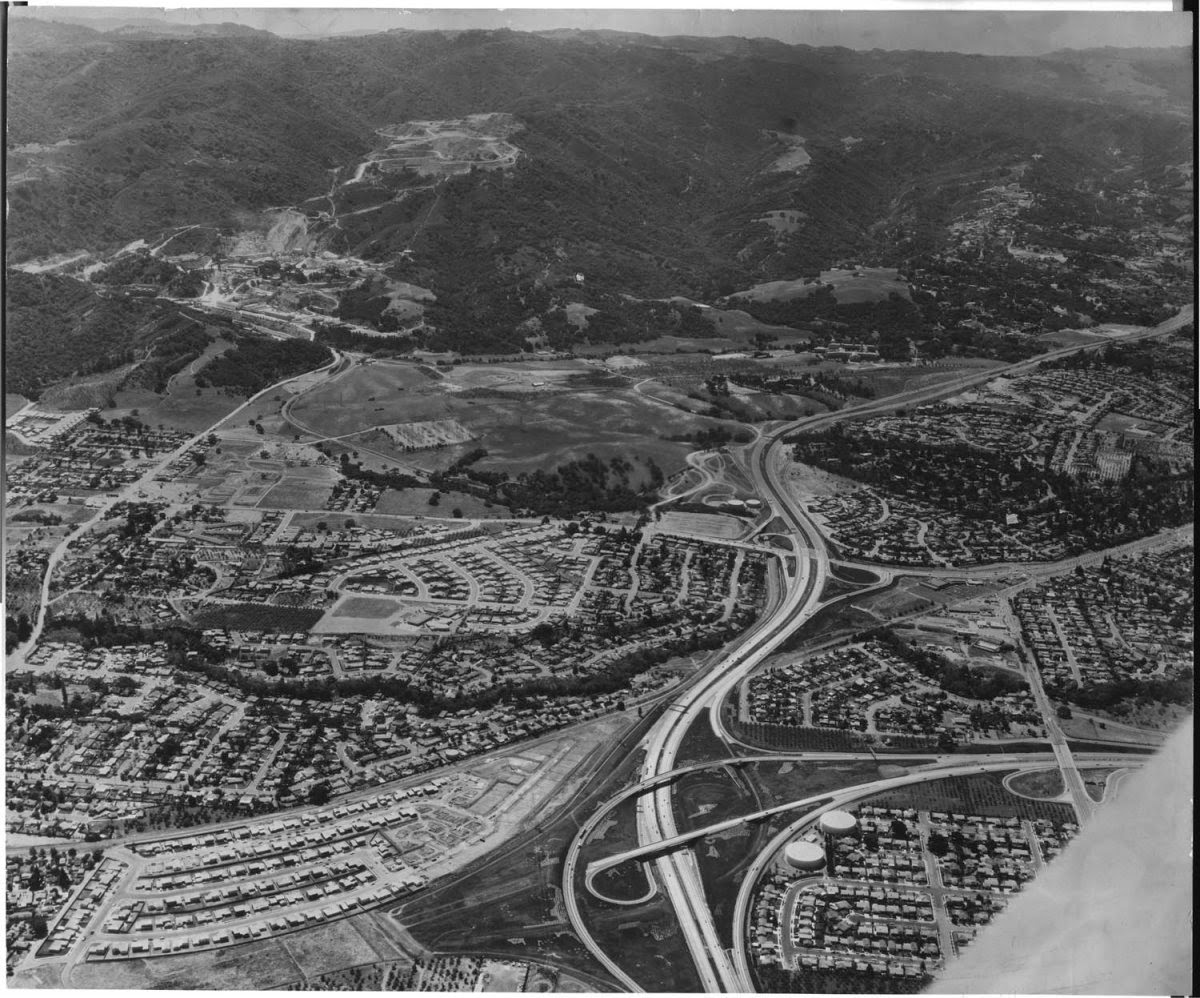
Silicon Valley before it was an innovation hub
Its transformation began when semiconductor companies clustered around Stanford University, creating jobs and boosting economic activity. This was the genesis of a business ecosystem that later produced multiple disruptions such as the personal computer and the internet. By 1986, there were hundreds of semiconductor companies in Silicon Valley. Over 124 companies, known as the “Fairchildren”, had their origins in the Fairchild Semiconductor Corporation.
A few things made this possible, chief among them being Stanford University, which encouraged students and professors to start companies and leased land to technology firms.
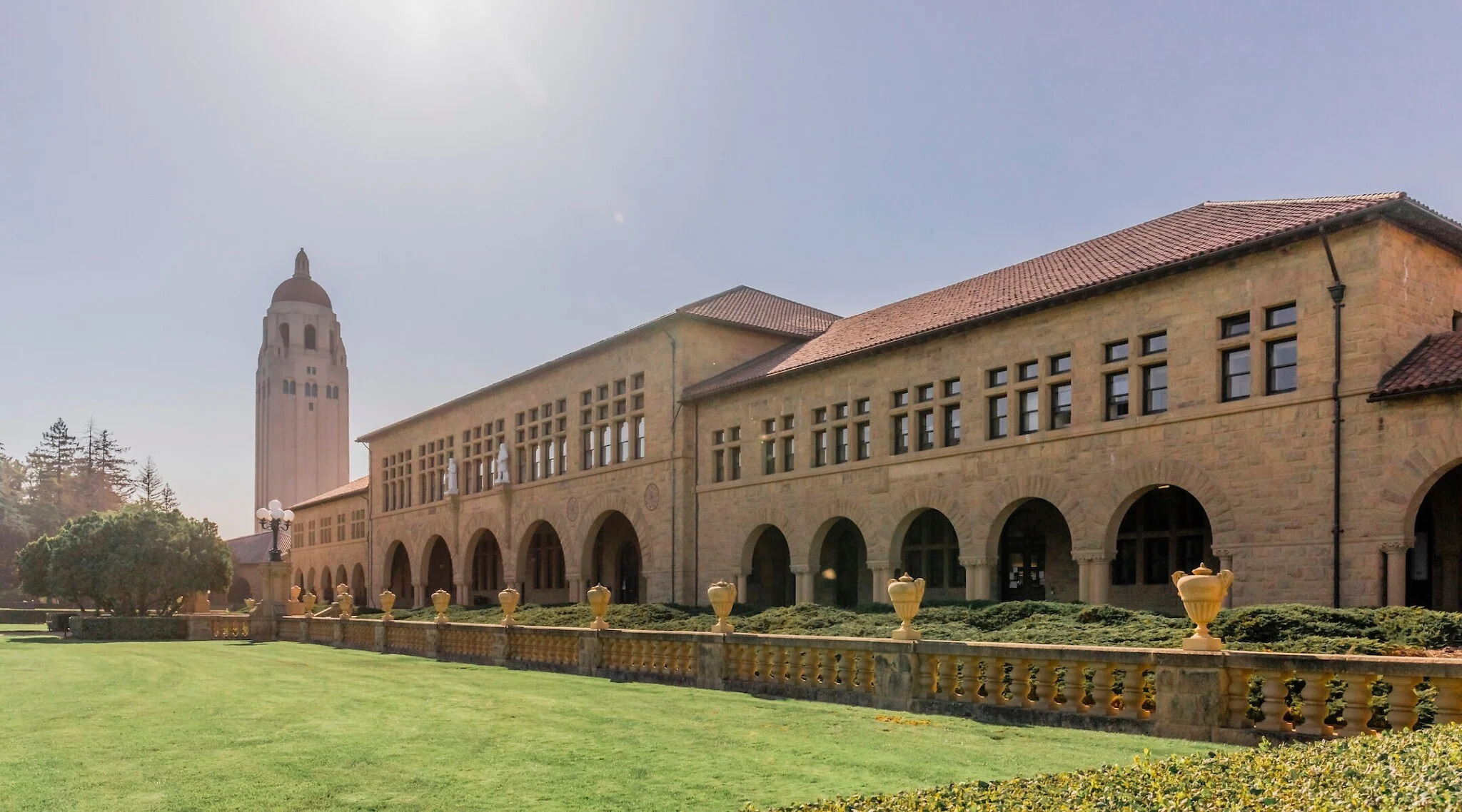
Stanford University
DFW hasn’t been following the same trajectory, but it has potential to become a great center of innovation. It possesses ingredients that have historically supported the growth of major innovation ecosystems, such as a large concentration of corporate headquarters, including 24 Fortune 500 companies, and an enormous domestic market.
The rapid increase of data centers will likely accelerate its transition from a corporate and data infrastructure hub into an AI and technology innovation ecosystem. As already alluded to, AI requires massive computing power. Data centers provide physical facilities that make this possible. While Silicon Valley may have seemed like a natural choice for hosting them, it lacks two important elements that Dallas-Fort Worth has – affordable land and energy.
These two factors result in low operational costs, which are essential in the AI business. Low electricity, land, and data center costs make AI computing affordable. This business advantage, which can be passed down to the final consumer, will likely lure multiple startups, as will DFW’s large client base, increasing opportunities for Enterprise AI (the selling of AI to large corporations).
There are many other reasons why data centers will draw more business to DFW. They foster a powerful network effect. As hyperscalers expand their cloud regions, they attract AI startups, software companies, and other technology businesses that benefit from operating nearby, a domino effect that can create an innovation hub in Dallas-Fort Worth.

Domino effect
The mere presence of data centers, however, does not automatically mean it will happen. DFW is a medium performer when it comes to venture capital, which is crucial for the development of an innovation ecosystem. It generates between US$2 billion to US$3 billion in venture capital each year, which pales in comparison to places like Silicon Valley (it got US$95 billion worth of venture capital in 2025). But even though DFW does not have as much capital today, infrastructure often precedes investment.
Technological revolutions tend to center around geographic areas with the infrastructure that drives them. Decades ago, semiconductor factories quietly transformed a valley of orchards into the world’s technology capital. Today, DFW’s data centers may quietly be laying the foundation for America’s newest technology ecosystem.
