
If you arrive at Tokyo’s Haneda airport right now, chances are, a humanoid robot will handle your baggage. In parts of the city, humanoids can serve you food, or even check you into a hotel. But as interesting as all this sounds, Japan isn’t resorting to humanoids to attract tourists. The country is facing serious labor shortages because of its aging population.
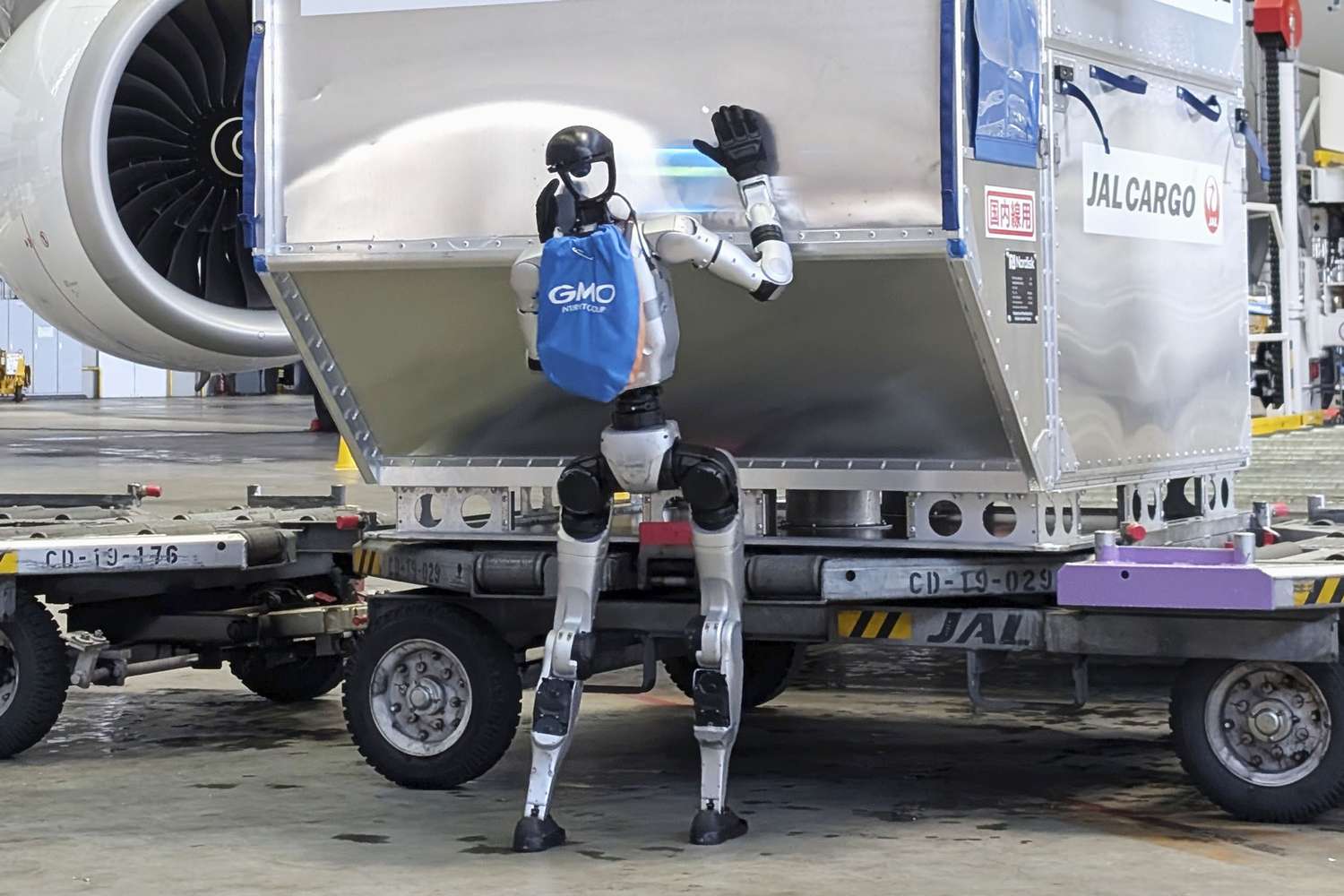 Humanoid handling baggage in Japan
According to a survey conducted by Reuters in 2025, two thirds of companies are experiencing business impact from shortage of workers, with nearly a third of respondents saying the shortage is worsening.
Close to 30% of Japan’s population is over 65 and this figure is expected to grow. When a population ages, more people retire than those entering the workforce, leading to a human capital crisis. Aging societies all over the world fear they are headed in Japan’s direction. A good example is the OECD economic bloc. According to OECD Secretary-General, Mathias Cormann, the working-age population will decline by 8% in OECD countries by 2060. To avoid labor shortages, he has called for “ambitious policy action,” including unlocking the untapped labor market potential of women and young people.
 OECD Secretary-General Mathias Cormann
Other solutions being discussed widely include AI, increased immigration, delayed retirement, and of course, humanoid robots. But there is a solution that is not being given equal attention. Africa’s young population, which is soon going to be the biggest workforce in the world, can help offset shortages in aging countries through remote work. This solution does not require immigration or any of the complexities that come with it.
Remote work is already being outsourced to African countries. Not to address labor shortages, but because it helps foreign companies scale quickly, among other reasons. Major outsourcing destinations include South Africa, Nigeria, Algeria, Egypt, Zimbabwe, Rwanda, Zambia. These countries have well-trained talent and the requisite technological infrastructure. The fact that Africa has existing outsourcing destinations means when shortages arise in aging societies, it won’t be difficult to partly address them by hiring remote teams from Africa.
 A remote team in Zimbabwe
However, this solution has some drawbacks. Remote work cannot fill roles that require physical presence and not all of Africa’s workforce is well trained. To address possible shortages, aging societies need to combine hiring remote teams from Africa with other solutions. Also, African leaders need to invest heavily in human capital development to equip their populations for the global job market.
There is another reason why aging countries should hire from Africa to address these shortages. Many countries in Africa are expected to experience high levels of unemployment as more people reach working age. What this means, essentially, is that in the future, countries with aging populations will likely have many jobs, and not enough people to work them, while nations with young populations will have large workforces, but not enough jobs.
Under such circumstances, hiring from Africa won’t just be about business, it will be a global development issue. If Africa happens to have high levels of unemployment when aging societies need human capital, the best course of action will be to hire from Africa. This will create jobs where they are needed most. Matching underutilized human capital with unmet demand increases overall global productivity and economic output. Global development organizations like the World Bank Group should champion this solution.
 World Bank headquarters
The world is entering an era in which aging societies will struggle with workforce shortages while African countries struggle with unemployment. Remote work cannot fully close this gap, but it can help narrow it. It can benefit aging economies seeking human capital, young populations seeking opportunity and African nations seeking development, creating a win-win-win situation.
